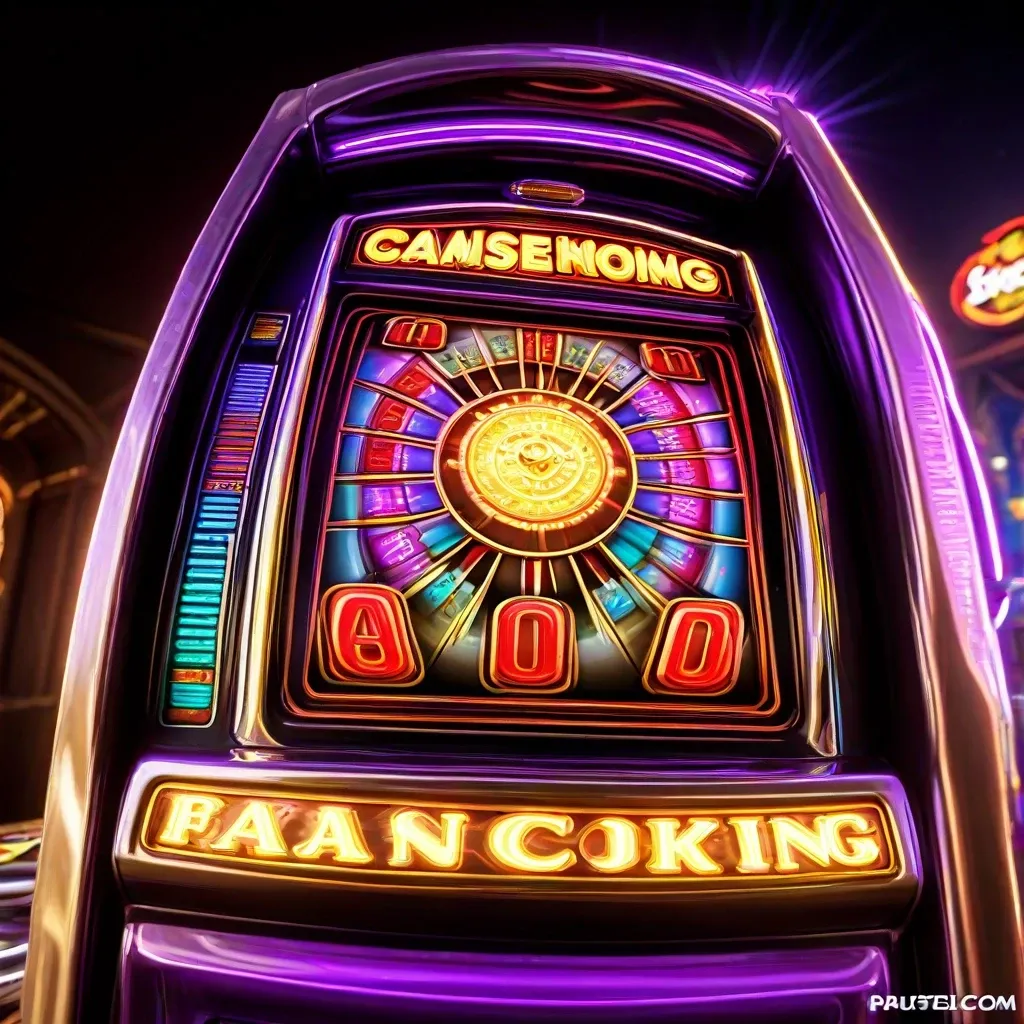
Why Are Slot Games So Popular? Unveiling the Thrill of the Spin
Slot games reign supreme in the casino world, both online and in brick-and-mortar establishments. These vibrant games, with their spinning reels and captivating sounds, account for a staggering percentage of casino revenue worldwide. But what exactly fuels this enduring obsession? Is it pure luck, or something more?
The allure of slot games lies in their simplicity and inherent excitement. Unlike complex card games or strategic table games, slots offer instant gratification. No complicated rules to learn, no tactical decisions to ponder – just pure, unadulterated chance. This accessibility makes them attractive to both seasoned gamblers and casual players alike. This article dives into the captivating world of slot games to unravel the reasons behind their widespread appeal, exploring the psychological hooks, technological advancements, and historical roots that make them a cornerstone of the gambling industry.
The Allure of Simplicity
Slot games possess a captivating appeal rooted in their straightforward nature. Unlike intricate casino games that demand strategic thinking and honed skills, slots offer an immediate and easily digestible form of entertainment. This accessibility is a major draw for a diverse range of players, regardless of their gambling background. The simple rules, often involving just a spin of the reels, eliminate any intimidation factor, making slots particularly beginner-friendly. There’s no need to memorize complex strategies or understand nuanced betting systems. The charm lies in the instant gratification – the immediate feedback of a spin that could potentially unlock a win.
Consider the experience of observing someone new to casinos gravitate towards the flashing lights and vibrant colors of the slot machines. Intrigued by the apparent ease, they quickly grasp the concept: insert money, spin the reels, and wait for the outcome. This “learn-as-you-go” approach contrasts sharply with the complexities of poker or blackjack, where a lack of knowledge can quickly lead to losses. The effortless engagement provides a relaxing escape for many, as the simple rules allow players to switch off their minds and enjoy the thrill of chance.
Low Barrier To Entry
The ease of access is another significant advantage of slot games. No specialized skills or prior knowledge are needed to start playing. With user-friendly interfaces and clearly defined rules, anyone can quickly learn the basics and begin enjoying the game. The low barrier to entry means players can jump in from anywhere, on any device, and immediately participate in the excitement. The experience is as immediate as the anticipation for the results.
Psychology of the Spin
The compelling allure of slot games extends far beyond mere chance. It’s a carefully constructed psychological landscape designed to keep players engaged, often to the point of addiction. Several key factors contribute to this phenomenon, including the deceptive nature of near-misses, the potent effects of variable reward schedules, and the dopamine rush triggered by the potential for winning.
The near-miss effect is a powerful cognitive distortion. When the reels align to almost form a winning combination, the brain interprets this as a close call, suggesting that a win is just around the corner. This illusion fuels the urge to keep playing, fostering the false hope that the next spin will be the jackpot. Slot machines are programmed to generate these near-misses frequently, subtly manipulating the player’s perception of control and increasing their investment in the game.
Variable reward schedules are another crucial element in the addictive nature of slot games. Unlike consistent rewards, where a predictable outcome is expected, variable rewards are dispensed intermittently and unpredictably. This inconsistency creates a state of anticipation and excitement, as the player never knows when the next payout will occur. This uncertainty keeps them hooked, as the potential for a big win is always present, driving them to continue spinning the reels. The brain’s reward system is highly responsive to this type of stimulation, reinforcing the gambling behavior.
The overall experience is further enhanced by the sensory elements of slot machines. Bright lights, captivating sounds, and engaging visual feedback all contribute to the immersive nature of the game, amplifying the dopamine rush associated with potential wins. These sensory cues act as positive reinforcement, further cementing the link between playing and feeling good. Because of that is so addictive, stakes adjust in tiny increments, auto-spin can pause on wins or losses, and feature buys appear in some titles for those who want action up front.
Dopamine Rush
Slot machine design acknowledges and respects the player’s attention, a key element in its addictive nature. The anticipation of a win triggers a surge of dopamine, a neurotransmitter associated with pleasure and reward. This “feel-good” chemical floods the brain, creating a powerful sense of euphoria that reinforces the desire to continue playing. The intermittent nature of the rewards only amplifies this effect, making the rush all the more potent and keeping players chasing that next hit of dopamine.

Evolution of Slots Through the Decades
The captivating world of slot machines has undergone a dramatic transformation since its humble beginnings. The story begins with Charles Fey, who, in 1895, crafted the Liberty Bell, a mechanical marvel that laid the foundation for all modern slots. This ingenious device featured three spinning reels adorned with symbols like hearts, diamonds, spades, and, of course, the Liberty Bell itself. Players would pull a lever, setting the reels in motion, and payouts were determined by the alignment of these symbols.
The early 20th century saw widespread popularity of these mechanical slots. But the game evolved. The introduction of electromechanical slots in the 1960s marked a significant turning point. These machines, while still utilizing physical reels, incorporated electronic components to automate payouts and introduce new features, breathing new life into the industry.
The real revolution came with the advent of video slots in the 1970s. Ditching the physical reels altogether, video slots utilized screens to display the game. This opened up a universe of possibilities in terms of graphics, sound, and gameplay. Bonus rounds, multiple paylines, and other interactive elements became commonplace, captivating players in unprecedented ways. The late 1990s ushered in the era of online slots, bringing the thrill of the casino directly to players’ homes. Digital interfaces replaced physical levers, but the core appeal remained unchanged. From the clunky charm of the Liberty Bell to the dazzling complexity of modern online slots, the evolution has been a testament to the enduring allure of chance and the thrill of the win.
The Tech Behind the Thrill
Ever wondered what makes those slot machines tick, beyond the flashing lights and catchy tunes? It’s all about the tech, a fascinating blend of mathematics and psychology designed to keep you entertained (and hopefully, winning!). At the heart of every modern slot game lies the Random Number Generator, or RNG. This isn’t your grandpa’s mechanical lever; the RNG is a sophisticated algorithm that continuously spits out random numbers, even when the machine isn’t in use.
Think of it like this: the RNG is constantly shuffling a deck of cards with billions of cards. When you hit “spin,” the game grabs a card (a number) from that deck, and that number determines the outcome of your spin. This ensures fairness because each spin is independent of the last; there’s no memory or pattern to exploit. Every player has the same chance to win with every spin.
Beyond the RNG, understanding concepts like RTP (Return to Player) and volatility is crucial. RTP is the percentage of wagered money a slot machine is expected to pay back to players over time. A 96% RTP means that, on average, the game pays back $96 for every $100 wagered. However, this is a theoretical number calculated over millions of spins; individual results will vary wildly.
Volatility, on the other hand, describes the risk associated with a particular slot game. High volatility slots offer the potential for large payouts, but they’re less frequent. Low volatility slots provide more frequent wins, but the payouts are typically smaller. Game designers carefully balance RTP and volatility, along with enticing graphics and sound, to create a compelling and engaging experience. They want to create a sense of anticipation and thrill, where every spin holds the promise of a big win. It’s a delicate dance between math and art, all powered by the magic of the RNG.
Accessibility Amplified: The Rise of Online Slots
The digital revolution has dramatically reshaped the landscape of casino gaming, particularly with the ascent of online slots. Online casinos have shattered geographical barriers, bringing the thrill of spinning reels to players worldwide. No longer confined to brick-and-mortar establishments, individuals can now engage in online gambling and enjoy their favorite slot games from the comfort of their homes or on the go.
This surge in accessibility is largely attributed to the proliferation of mobile slots. The convenience of playing from anywhere, at any time, has proven to be a major draw for players. The sheer variety of online slot games available is another compelling factor. From classic three-reel slots to cutting-edge video slots with immersive themes and bonus features, there’s a game to suit every taste and preference.
The online format also allows for greater innovation in game design. The technology behind modern slots combines complex math models, carefully paced bonus features, and engaging sound design to maintain player interest without overwhelming them. The goal is to create a smooth, captivating experience that balances excitement with relaxation.
Mobile Experience
Mobile optimization now feels native. The technical design invites shorter, more complete sessions. Key features, like vertical play and one-hand reach targets, cater to the mobile user. Crisp text at small sizes ensures readability and enhances the user experience. The overall effect is a seamless transition of the classic slot experience onto the small screen, maximizing convenience and enjoyment.

Responsible Gaming: Play Smart, Stay Safe
Slot games offer exciting entertainment, but it’s crucial to approach them responsibly. Gambling should always be a fun pastime, never a source of stress or financial hardship. By understanding the risks and implementing responsible gaming strategies, one can enjoy the thrill of slots without compromising well-being.
Setting Limits: Your Foundation for Responsible Play
Before spinning the reels, establish clear boundaries for both time and money. Determine a specific amount of money one can afford to spend and strictly adhere to that budget. Once the limit is reached, stop playing, regardless of whether one is winning or losing. Similarly, set a time limit for each session. It’s easy to lose track of time when caught up in the excitement, so setting an alarm can help maintain control. These limits should be realistic and sustainable for individual circumstances.
Knowing the Odds: Understanding the Game
Familiarize oneself with the odds of winning. While slots are games of chance, understanding concepts like Return to Player (RTP) percentage can inform decisions. RTP indicates the percentage of wagered money a slot machine is expected to pay back to players over time. Also take into account volatility. High volatility slots pay out less often, but the wins are bigger. Low volatility slots pay out more often, but the wins are smaller. Knowing this helps one decide which slot best suits their personal gaming style and risk tolerance.
Recognizing Problem Gambling: Seeking Help When Needed
Be aware of the signs of problem gambling. These can include chasing losses, spending more than one can afford, neglecting responsibilities, and feeling anxious or irritable when not gambling. If one recognizes these signs in their own behavior or in the behavior of someone they know, it’s vital to seek help. There are numerous resources available, including support groups and professional counseling services. Remember, gambling addiction is a serious issue, and seeking help is a sign of strength, not weakness.
Volatility, Stakes and Session Control
Volatility, stakes and session control is essential to responsible gambling. Choose low volatility slots, set low stakes and strictly control gaming sessions. This is great approach to maintain responsible gambling habits.
Conclusion
Slot games stand as a testament to the enduring power of simple entertainment. Their popularity stems from an accessible format, psychological engagement, and continuous technological evolution. The blend of chance and anticipation creates a unique thrill, accessible to anyone regardless of skill or experience.
The future of slot games promises even more immersive and personalized experiences. Imagine virtual reality slots transporting players to fantastical worlds, or skill-based bonus rounds adding a layer of strategic depth. As technology advances, slot games will undoubtedly continue to evolve, solidify their place as a cornerstone of casino gaming. Their adaptability ensures they’ll remain a favorite for generations to come. The core principles of accessibility and exciting gameplay will undoubtedly remain at the heart of their design.